
For short-term rental owners, summer is the season of opportunity. The days are longer, travel demand surges, and the potential to maximize rental income is at its peak. But with opportunity comes competition. How do you ensure your property stands out and your calendar stays full when every other listing is vying for the same guests?
Last summer, we faced this challenge head-on and achieved a 90% occupancy rate across our diverse portfolio of properties. This wasn’t a stroke of luck. It was the result of a deliberate, multi-faceted strategy that combines data analysis, marketing savvy, and an obsessive focus on the guest experience.
This is more than just a list of tips; it’s a look behind the curtain. In this STR management case study, we’re breaking down the exact systems and strategies we implemented to keep our properties booked, our owners profitable, and our guests delighted all summer long.
Table of Contents
- The Foundation: Dynamic Pricing & Proactive Calendar Management
- Marketing Beyond the Platforms: The Direct Booking Advantage
- The Guest Experience Flywheel: Turning 5-Star Stays into Future Bookings
- Hyper-Local Expertise: Mastering Our Markets
- Data, Not Guesses: The Analytics That Drive Our Decisions
- Frequently Asked Questions (FAQ)
The Foundation: Dynamic Pricing & Proactive Calendar Management
You can have the most beautiful property in the world, but if your pricing is wrong, your calendar will be a ghost town. Achieving a high short term rental occupancy rate starts with a sophisticated pricing strategy that goes far beyond a simple “peak season” and “off-season” rate.
H3: Beyond “Set It and Forget It” Pricing
Our approach is fluid and data-driven. We use advanced dynamic pricing tools as a baseline, but the real magic happens with manual oversight. Our team constantly analyzes:
- Local Event Calendars: Is there a major concert in Colorado Springs? A week-long conference near the University of Florida? A fishing tournament in Panama City Beach? We identify these demand spikes months in advance and adjust rates accordingly to maximize rental income.
- Competitor Pacing: We monitor the occupancy rates and pricing of comparable properties in our markets. If the competition is booking up faster than we are, it might be a signal to adjust our rates upward. If our calendar is lagging, we might need to be more competitive.
- Airline & Hotel Data: Flight and hotel booking trends are leading indicators of travel demand. We watch this data to anticipate surges before they even hit the vacation rental market.
H3: Strategic Calendar Optimization
Pricing is only half the battle. How you manage your calendar’s availability is just as critical.
- Minimum Night Stays: A 2-night minimum might work for a standard weekend, but for a holiday like the 4th of July, we’ll implement a 3 or 4-night minimum. This captures longer, more valuable bookings and reduces turnover costs.
- Eliminating “Orphan Days”: The dreaded single-night gap between two bookings is a profit killer. Our management software and manual reviews are designed to prevent these. We might adjust minimum stays or offer a small, targeted discount to a previous guest to fill a one-night gap, turning a zero-revenue night into a profitable one.
- Last-Minute Premiums & Discounts: We’ve found that last-minute bookers often fall into two camps: the spontaneous traveler willing to pay a premium for a great property, and the bargain hunter. Our system is smart enough to distinguish between these. We can slightly increase rates for a high-demand weekend that’s a few days away, while offering a discount to fill a persistent weekday gap.
This proactive, hands-on management ensures that every single night on the calendar is priced and positioned for maximum booking potential.

Marketing Beyond the Platforms: The Direct Booking Advantage
Relying solely on Airbnb and Vrbo is like putting all your eggs in one basket. While these platforms are essential for visibility, a key part of our strategy to maximize rental income and control our own destiny is driving direct bookings through our website, SpringlineStays.com.
H3: Building a Brand, Not Just a Listing
A direct booking website transforms a property from a simple commodity on a large platform into a distinct brand. This allows us to:
- Save on Fees: Both we and our guests save on the hefty service fees charged by online travel agencies (OTAs), making direct booking a more attractive option for everyone.
- Foster Guest Relationships: When a guest books direct, we own that relationship. We can add them to our email list, communicate with them directly, and invite them back for future stays. This is impossible when the OTA controls the guest data.
- Control the Narrative: On our website, we control the entire presentation, from high-resolution photos to detailed local guides, without the constraints of an OTA’s template.
For example, families who have an unforgettable vacation at our stunning oceanfront condo want to come back year after year. By capturing their information through a direct booking, we can reach out to them first when the calendar opens for the next summer, securing a valuable repeat booking before the listing even goes wide.
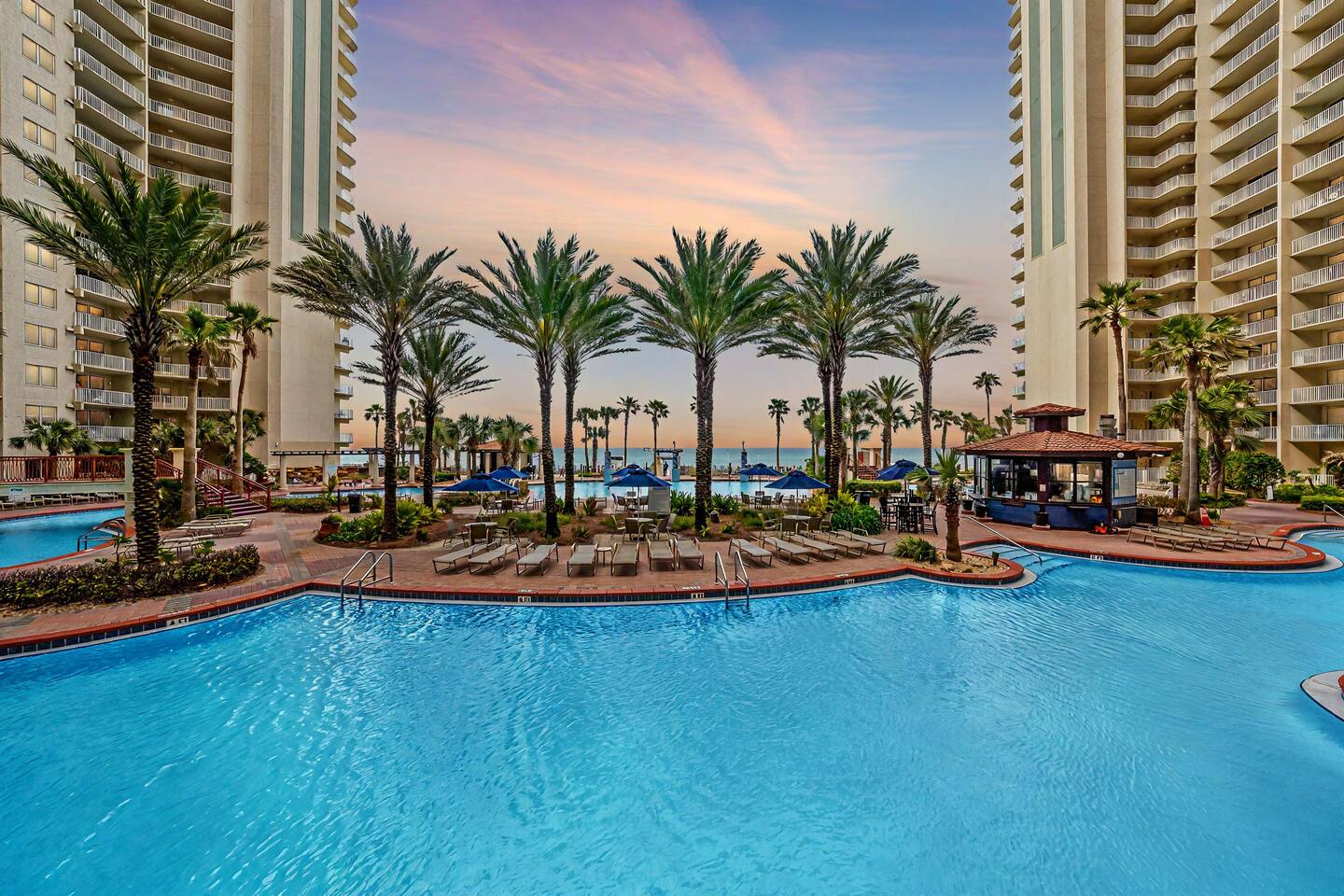
Our beachfront condo, On the Beach | Ocean Views | Sleeps 6, is a prime example of a property that benefits from repeat, direct bookings from families who have fallen in love with the location.
H3: The Power of Email & Social Media
We maintain an active email list of past guests, segmenting them by the location they visited. Before a peak season, we’ll send out targeted campaigns with an early-bird offer or highlight a new amenity. This simple strategy alone is responsible for filling a significant percentage of our summer calendar before it’s even a thought for most travelers.
We also use social media to showcase the experience of staying with us, not just the properties themselves. We share photos of guests enjoying the amenities, highlight local events, and run contests, all driving traffic back to our direct booking site.
The Guest Experience Flywheel: Turning 5-Star Stays into Future Bookings
In the world of short-term rentals, reviews are currency. A steady stream of 5-star reviews is the most powerful marketing tool you have. It boosts your listing’s visibility in platform algorithms, builds trust with potential guests, and creates a “flywheel” effect: great reviews lead to more bookings, which lead to more great reviews.
Our 90% summer occupancy was built on the foundation of thousands of 5-star reviews, and those reviews are earned, not wished for.
H3: Flawless Operations are Non-Negotiable
The guest experience starts with the basics, executed perfectly every single time.
- Professional Cleaning: Our properties are cleaned to a hotel-grade standard by vetted, professional cleaning partners. We have multi-point inspection checklists to ensure consistency. A guest should never, ever have to question the cleanliness of their rental.
- Proactive Maintenance: We don’t wait for something to break. We have a preventative maintenance schedule for everything from HVAC filters to hot tub water chemistry. This minimizes in-stay issues that can derail a vacation and lead to a bad review.
- Seamless Communication: From the moment of booking, our communication is automated, friendly, and helpful. Guests receive all necessary information (check-in codes, Wi-Fi passwords, directions) well in advance. We use a digital guidebook packed with house rules, appliance instructions, and local recommendations. We also check in via text mid-stay to ensure everything is perfect.

H3: Creating “Wow” Moments with Thoughtful Amenities
Going beyond the basics is what turns a good stay into a memorable one. It’s about anticipating guest needs and providing amenities that generate excitement. This is a core part of our STR management case study—amenities drive bookings.
We analyze the target demographic for each property and invest in amenities that appeal directly to them. For a large mountain home that attracts families, we didn’t just add an extra TV; we invested in an experience.
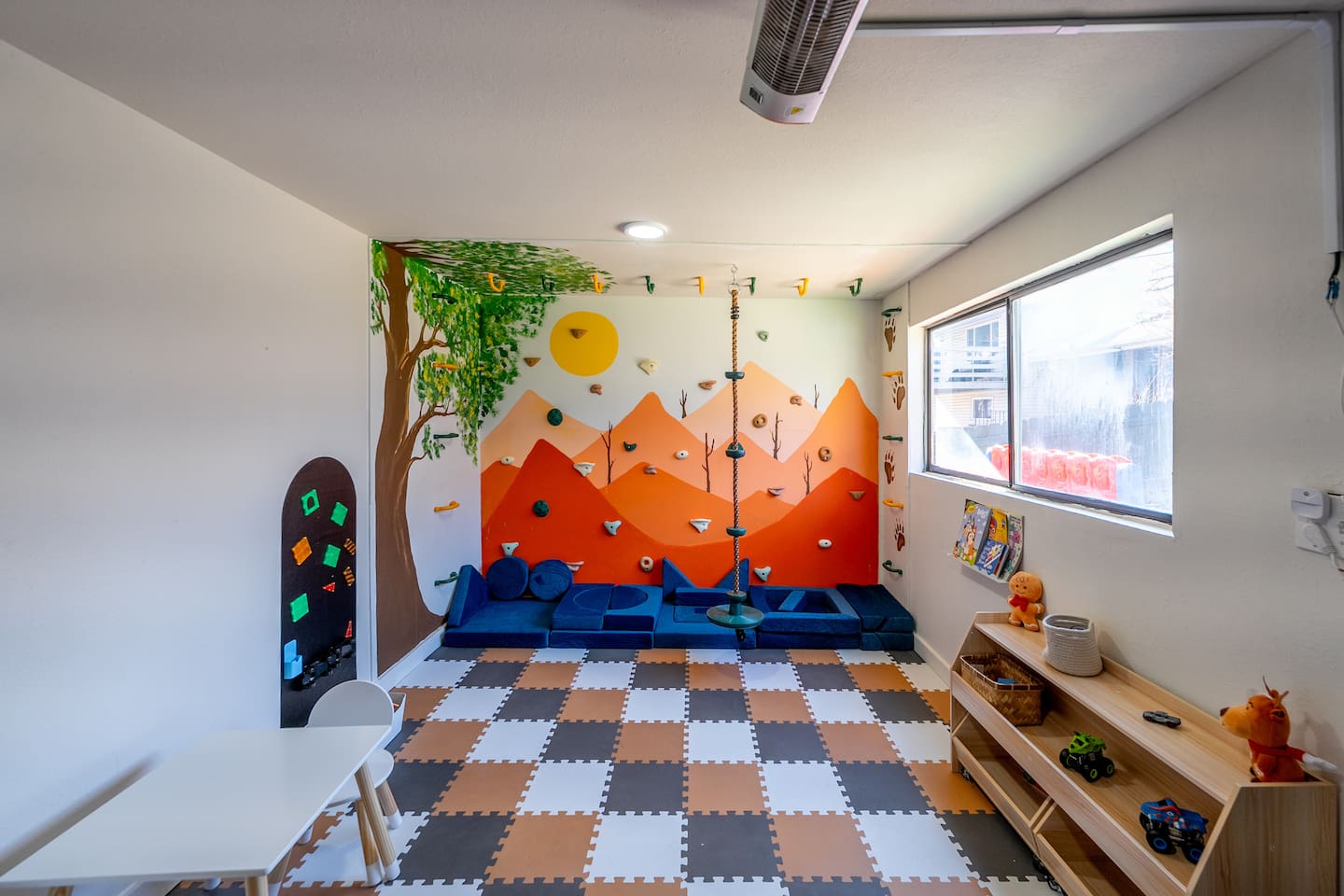
Our Epic Family Home: Mini-Golf, Sauna, Hot Tub, Games is a perfect example. The private mini-golf course, game room, and sauna aren’t just amenities; they are the reason families book this property. They create photo opportunities and memories that get shared, becoming a powerful, organic marketing tool that keeps the calendar full.
Hyper-Local Expertise: Mastering Our Markets
A one-size-fits-all approach to property management doesn’t work. The traveler looking for a game-day weekend in Gainesville has vastly different needs than the family seeking a mountain retreat in Colorado Springs or a beach getaway in Panama City Beach. Our deep, hyper-local knowledge of each market is a cornerstone of our high short term rental occupancy strategy.
H3: Gainesville: The University Beat
In Gainesville, the entire calendar revolves around the University of Florida. We don’t just know the football schedule; we know the dates for graduation, parents’ weekend, student orientation, and major academic conferences at Shands Hospital.
- Proximity is Key: For events at Ben Hill Griffin Stadium, walkability is the ultimate amenity. We market properties like our townhomes by highlighting the walking distance, which is a massive selling point for fans who want to avoid game-day traffic and parking nightmares. Our Walk to UF Stadium, No Cleanup, Cozy Townhome, located at 818 SW 7th Ave, is a prime example of a property perfectly positioned for this demand.
- Catering to Families: For events like graduation or moving in a new student, larger groups of family are coming to town. For them, we highlight properties like our Spacious Retreat Near UF & Shands, emphasizing its capacity for 12 guests, multiple bedrooms, and spacious common areas, perfect for family gatherings.
H3: Colorado Springs: The Adventurer’s Basecamp
Summer in Colorado Springs is all about outdoor adventure. Our marketing and property preparations reflect this.
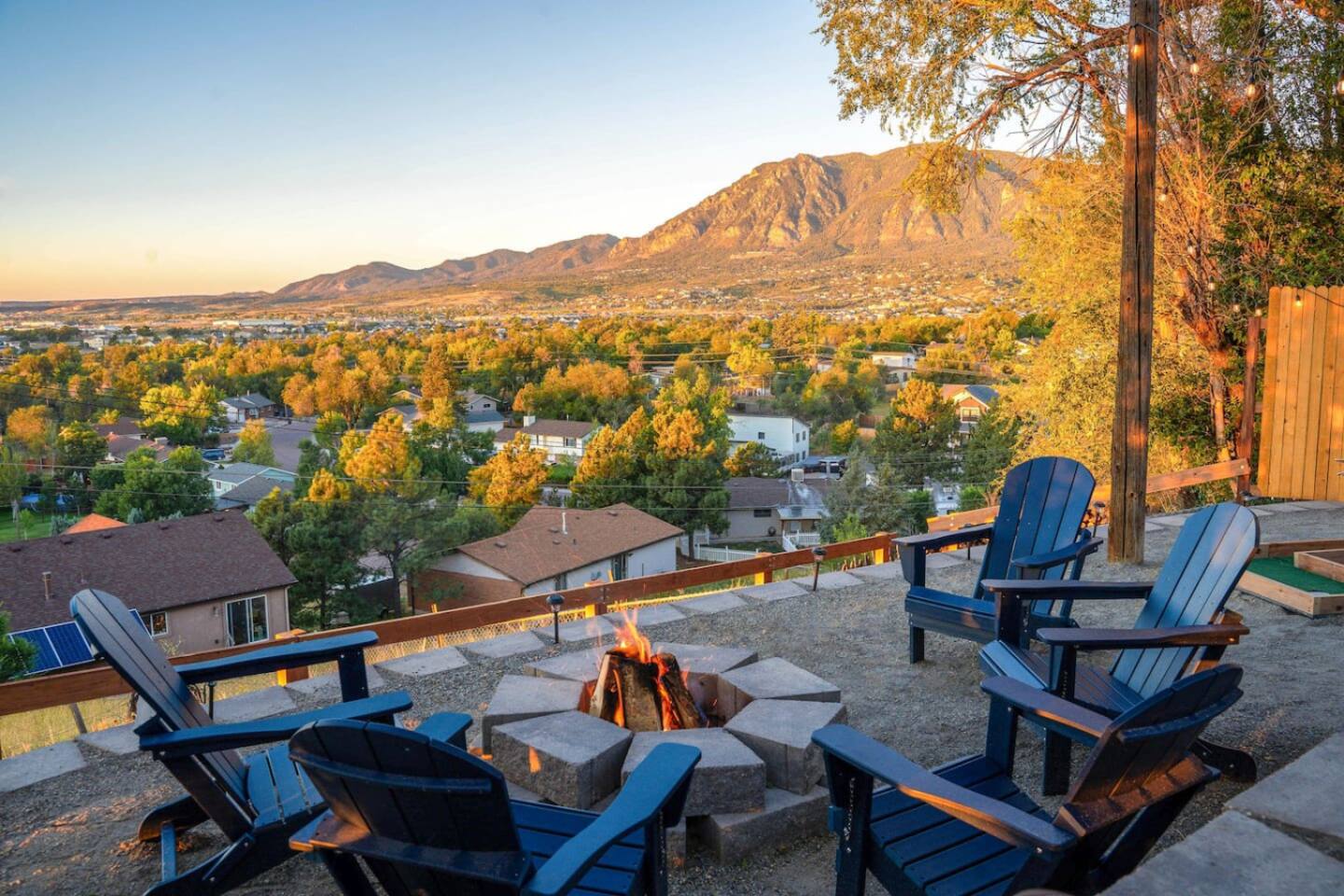
- Highlighting the Views: The number one draw is the scenery. Our photography and listing descriptions lead with the stunning mountain vistas. A property like Stunning Mountain Views, Hot Tub, Game Room puts its best asset right in the name.
- Amenities for Adventurers: We know guests will be coming back tired and happy after a day of hiking Garden of the Gods or driving up Pikes Peak. That’s why we emphasize amenities like hot tubs for soothing sore muscles, fire pits for evening s’mores under the stars, and game rooms for family fun.
- Location, Location, Location: We provide exact drive times to key attractions like Old Colorado City (OCC), the Manitou Incline, and the Air Force Academy, helping guests plan their itineraries and demonstrating our local expertise.
Data, Not Guesses: The Analytics That Drive Our Decisions
The final, and perhaps most critical, piece of our high-occupancy puzzle is our commitment to data. In today’s competitive market, intuition isn’t enough. Every strategic decision we make is backed by measurable analytics.
We religiously track key performance indicators (KPIs) for every property:
- Booking Lead Time: How far in advance are guests booking? If the lead time for a property is consistently short, it might indicate our pricing is too high too far out.
- Average Length of Stay (ALOS): Are we getting mostly 2-night weekend stays or full-week bookings? This helps us tailor our minimum night stay requirements and promotions.
- Inquiry Conversion Rate: Of the people who inquire about a property, how many actually book? A low rate could signal an issue with our response time, pricing, or listing clarity.
- Guest Demographics: Where are our guests coming from? Are they mostly families, couples, or business travelers? This data is invaluable for refining our marketing messages and amenity choices.
By analyzing this data, we can spot trends and opportunities that others miss. For example, by noticing a spike in inquiries from a specific city, we can run a targeted ad campaign in that area. By seeing that weekday occupancy is lagging, we can create a “work from the mountains” package to attract remote workers. This data-driven agility allows us to constantly refine our strategy and keep our calendars fuller than the competition.
Achieving a 90% occupancy rate during the busiest season of the year is a testament to a comprehensive, professional management strategy. It’s about the synergy between smart pricing, targeted marketing, an unforgettable guest experience, deep local knowledge, and a foundation of data. It’s a continuous cycle of improvement that turns a vacation home into a high-performing asset.
Ready to see what a professional, data-driven approach can do for your property? Or perhaps you’re looking for a meticulously managed stay for your next vacation? Explore our properties and experience the Springline Stays difference. Book your next getaway directly with us for the best rates and service.
Frequently Asked Questions (FAQ)
Q1: What is a good occupancy rate for a short-term rental in the summer? A: A “good” summer occupancy rate can vary by market, but a strong goal for most seasonal destinations is between 70-80%. Achieving a rate of 90% or higher, as detailed in this case study, is considered exceptional and is typically the result of professional management and a finely tuned strategy that includes dynamic pricing, superior marketing, and excellent reviews.
Q2: How can I increase my STR occupancy rate quickly? A: To increase your short-term rental occupancy quickly, focus on the highest impact areas: implement dynamic pricing to stay competitive, invest in professional photography to make your listing stand out, actively solicit 5-star reviews from happy guests to improve your ranking, and ensure your key amenities are highlighted in the first few lines of your description. Responding to inquiries within minutes can also dramatically increase your booking conversion rate.
Q3: Is professional property management worth it for increasing occupancy? A: Yes, for most owners, professional property management is absolutely worth it for increasing occupancy and maximizing rental income. Professional managers have access to sophisticated tools for dynamic pricing, dedicated marketing channels (like a direct booking site), and streamlined operational systems for cleaning and maintenance. They handle the complex, time-consuming tasks outlined in this post, which directly lead to higher occupancy, better reviews, and ultimately, more revenue and less stress for the owner.
Q4: What’s the difference between occupancy rate and RevPAR? A: Occupancy rate is the percentage of available nights that were booked over a certain period. RevPAR, or Revenue Per Available Room (or night), is a key hospitality metric calculated by multiplying the Average Daily Rate (ADR) by the occupancy rate. While a high occupancy rate is good, RevPAR gives a more complete picture of profitability. For example, a property could be 100% occupied but at very low rates, resulting in a lower RevPAR than a property that is 85% occupied at much higher rates. Professional managers focus on maximizing RevPAR, not just occupancy.
Stunning Mountain Views, Hot Tub, Game Room — Book your stay →
 Walk to UF Stadium, No Cleanup, Cozy Townhome — Book your stay →